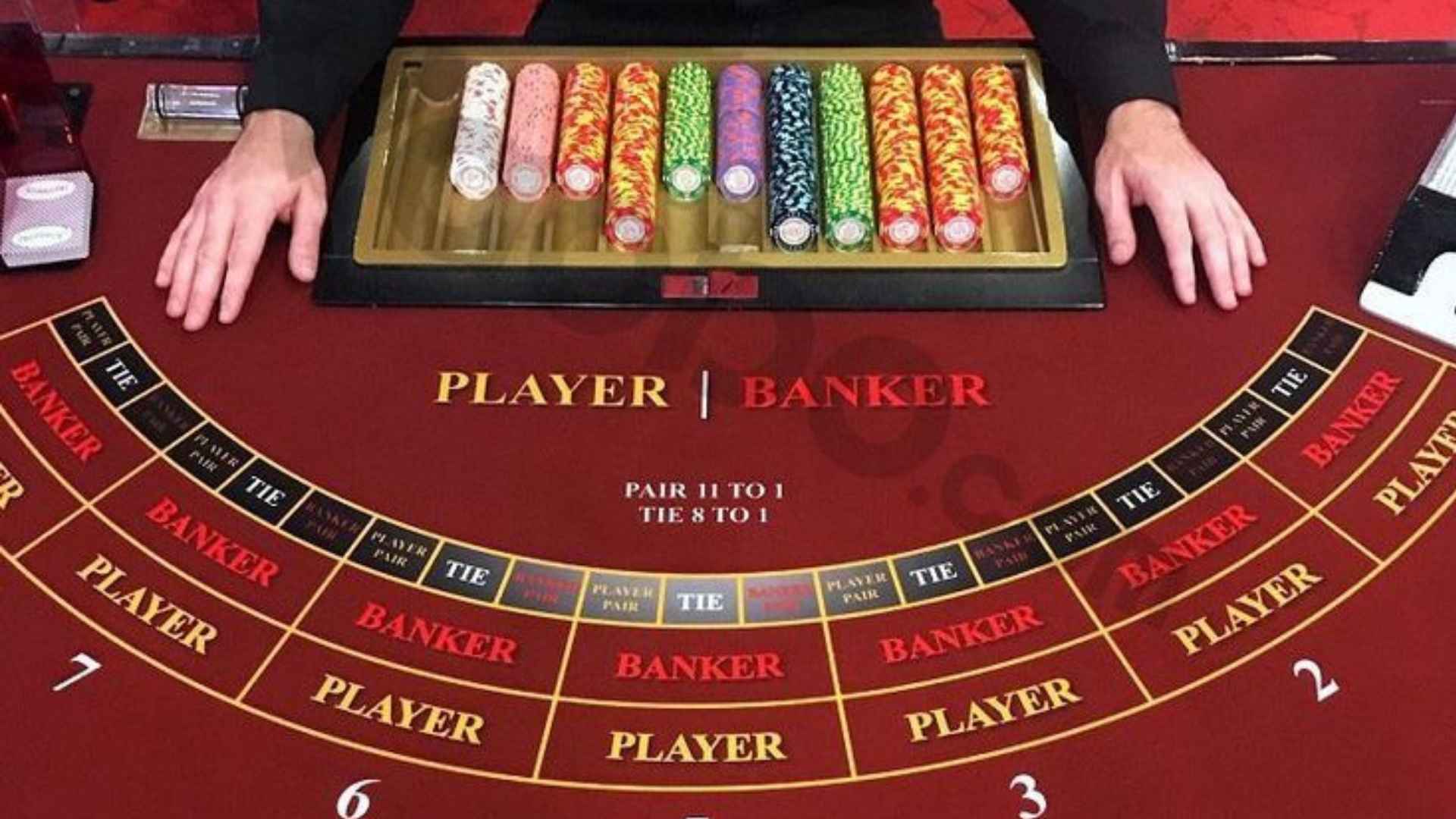
The architecture of historic gambling salons was meticulously designed to establish a sense of order, hierarchy, and focused concentration among its participants. At the absolute center of this spatial arrangement sat the banker, a position that carried both massive financial liability and immense social prestige. Exploring the historical placement of this specific role provides vital insights into how early table games balanced financial risk with rigorous social etiquette.
The Focal Point of Early Gaming Salons
In traditional European card rooms, the physical seat of the banker was deliberately isolated from the common seating area to emphasize its authority. This strategic positioning allowed the individual managing the funds to observe every wager and movement across the large table layouts. The elevated status of the seat naturally transformed a simple card game into a grand social ritual that attracted high society and tactical thinkers.
Furthermore, this architectural boundary separated active participants from casual onlookers who watched the high-stakes action from the periphery. The centralized location ensured that the person holding the cards could systematically distribute resources and settle scores without administrative delays. This structured environment directly reinforced the perceived importance of the table dynamics during every intense round.
The Multi Wing Architecture and Financial Control
Unlike standard modern card layouts that feature a single continuous betting track, classic baccarat layouts were often divided into two distinct sides known as tableaus. The banker sat directly in the middle of these two competing wings, managing separate sets of cards and opposing wagers simultaneously. This unique multi-sided arrangement required immense mental acuity and absolute focus to prevent costly mathematical oversights.
Because the house did not always act as the permanent corporate backup, individual players frequently took turns bidding for the right to hold this central position. Assuming control of the bank meant risking personal liquid capital against the combined forces of the entire room, which required incredible financial courage. Enthusiasts looking to explore modern variations of these complex historical setups can safely access an authorized m88 không bị chặn platform to view contemporary live table options. This digital evolution preserves the traditional dual-wing tension while utilizing automated software systems to guarantee perfect game integrity.
How Positional Authority Influenced Table Pacing
The physical proximity to the central dealer seat dictated the exact order of action and information accumulation during a live match. Participants seated immediately next to the bank had to commit to their strategies early with minimal knowledge about the remaining hands. Conversely, players positioned further down the table layout enjoyed a complete view of how the rest of the room intended to approach the round.
This natural information asymmetry created a fascinating psychological environment where body language and spatial awareness held significant strategic weight. The deliberate cadence established by the banker allowed individuals ample time to calculate probabilities and assess the financial exposure of the room. By prioritizing careful observation over rapid transaction velocity, traditional card rooms maintained a dignified atmosphere driven by human decisions.
The Cultural Legacy of Structured Table Layouts
The elegant gaming customs established in the private clubs of nineteenth-century France continue to influence global casino designs today. While digital interfaces have drastically simplified how rules are learned, the core concepts of shared risk and strategic seating remain foundational to tabletop entertainment. Recognizing the historical significance of the central position helps modern enthusiasts appreciate the sophisticated evolution of global card room culture.
Ultimately, the classic arrangement reminds players that card games were originally engineered as collaborative social events built around active human accountability. Every physical detail, from the height of the chair to the division of the table felt, served to balance the shifting dynamics of luck and deliberate choice. By studying these traditional customs, contemporary players gain a much more profound perspective on every hand dealt at a modern table.